
Tyre Information
Your tyres are the only part of your vehicle that actually touches the road, so their condition has a direct impact on your safety, comfort, and running costs. A well‑chosen, well‑maintained tyre helps your car stop quicker, grip better in bad weather, use less fuel, and last longer. Even small things like incorrect tyre pressure or worn tread can reduce performance, increase braking distances, and shorten tyre life.
Modern tyres are engineered to handle the weight, power and demands of today’s vehicles — including electric cars — but they can only do their job properly when they’re in good condition and correctly fitted. Understanding the basics helps you make better choices and stay safer on every journey.
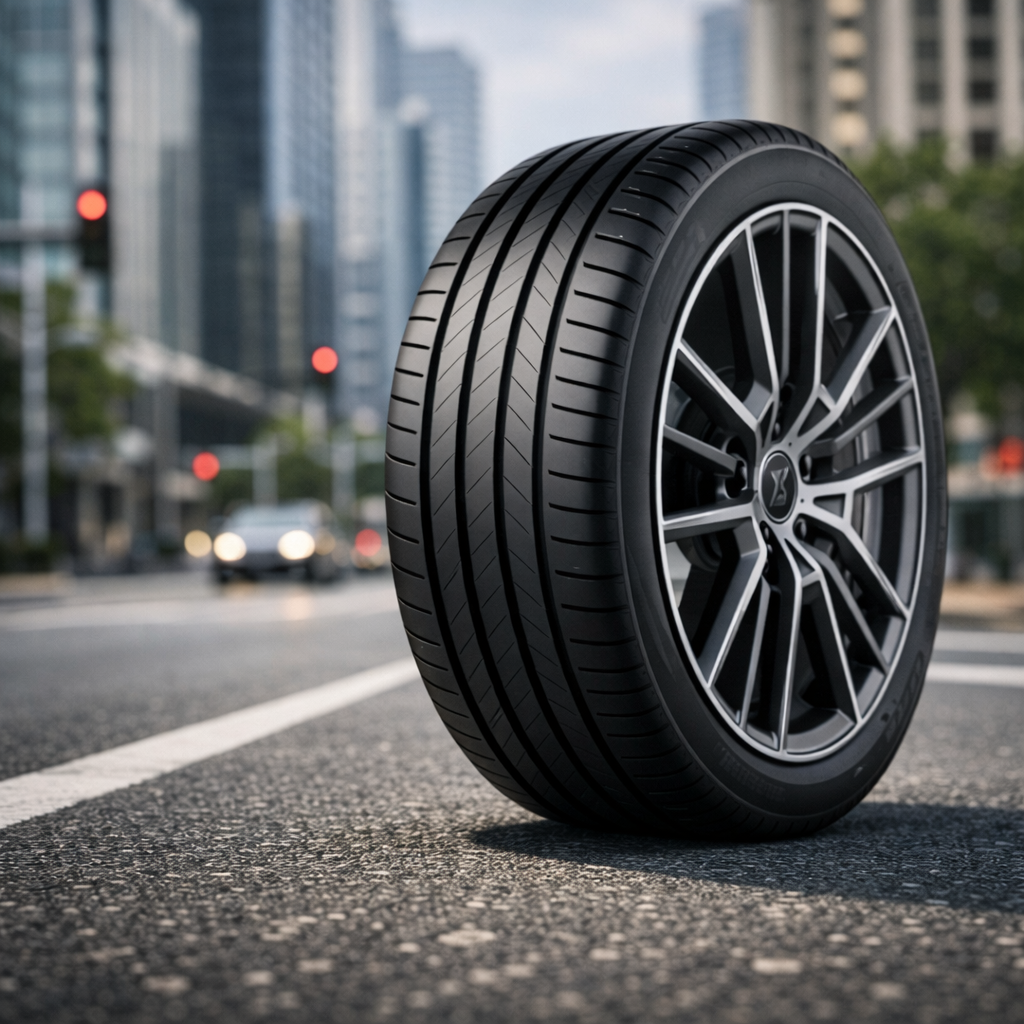
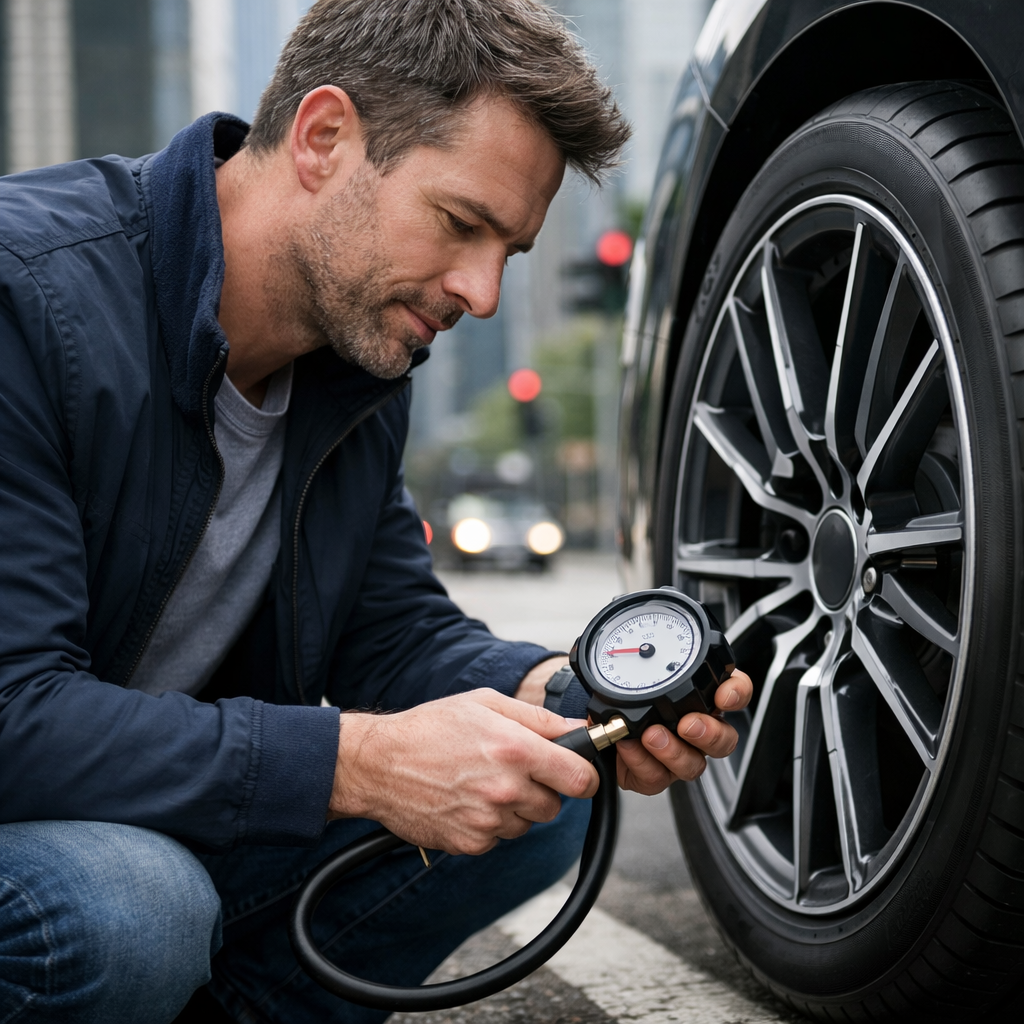
Tyre Pressure – Why It Matters
A 20% drop in tyre pressure can reduce tyre life by 25–30%
(“20% reduction in IP can impact tyre life negatively by 25%~30%”)
The same 20% drop increases fuel consumption by around 3%
Correct tyre pressure = longer tyre life, better fuel economy, safer driving.
What a tyre actually does
A tyre isn’t just rubber — it performs several critical jobs:
Supports the vehicle’s weight using pressurised air
(“To contain a volume of pressurised air to support the vehicle load”)
Provides grip and stability when steering
Absorbs bumps to improve comfort
Delivers traction and braking so the car can accelerate and stop safely
These are the reasons tyre condition and pressure matter so much.
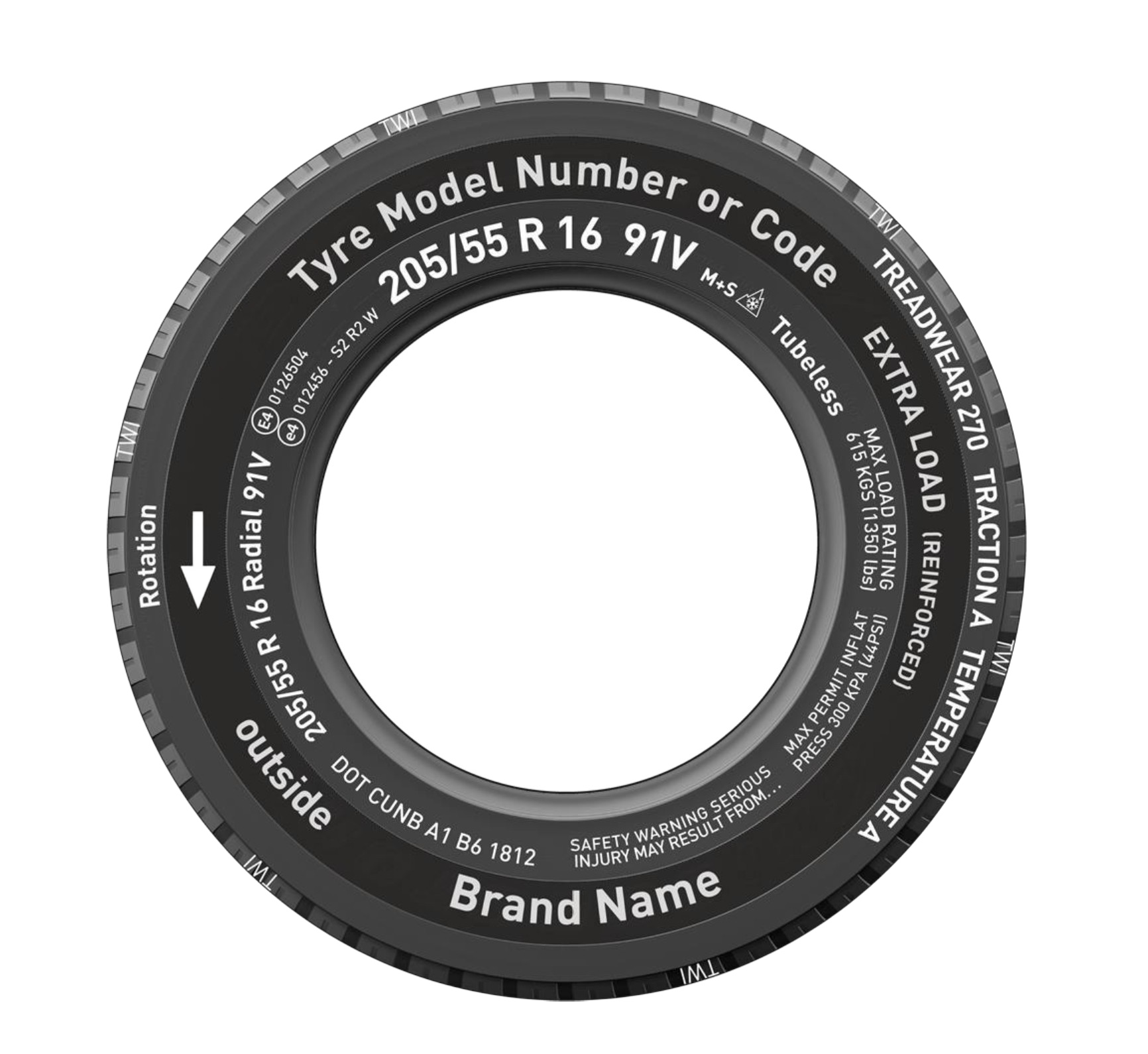
Understanding Tyre Markings (the writing on the sidewall)
Example: 205/55 R16 91V
- 205 = tyre width (mm)
- 55 = aspect ratio (height as % of width)
- R = radial construction
- 16 = wheel diameter (inches)
- 91 = load index (how much weight the tyre can carry)
- V = speed rating (maximum safe speed)
Also important:
- M+S / 3PMSF = winter capability
- TWI = tread wear indicators
- DOT number = manufacturing date
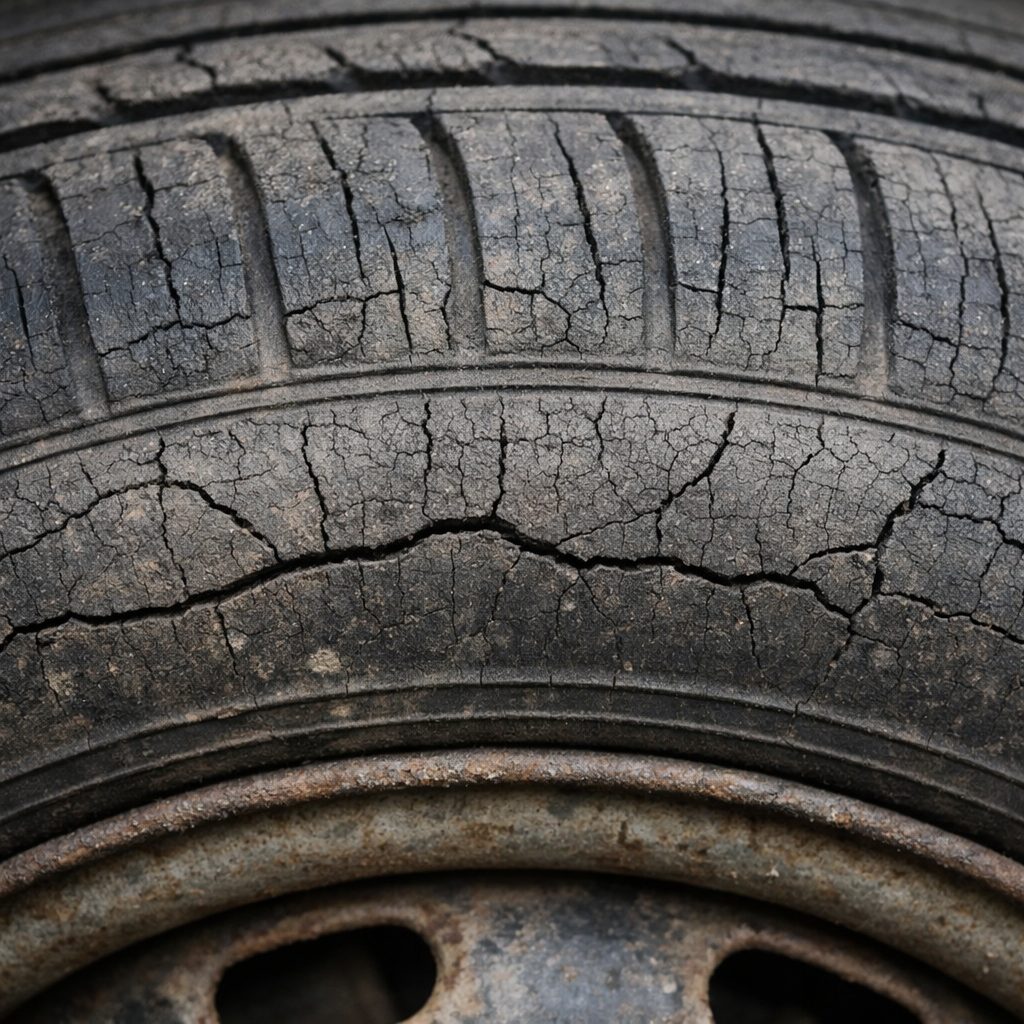
Tyre Age
There’s no legal age limit for car tyres, but Bridgestone recommends:
- UHP tyres: replace after 5 years
- Normal tyres: replace after 10 years
The manufacturing date is shown in the DOT code (e.g., 5107 = week 51 of 2007).
From 1st February 2021 Construction & Use Regulations do not allow tyres aged over 10 years old to be used on the front steered axles of HGV’s, buses, coaches or all single wheels fitted to a minibus.
The change in the law only affects the front steer axle on all vehicles above 3500kgs and the rear axle of minibuses that are of a single wheel configuration.

Bridgestone is a brand you choose when you want confidence in every journey — tyres engineered for superior safety, exceptional wet and dry performance, long-lasting durability and modern technology that’s ready for today’s vehicles, including EVs. With decades of innovation behind them, Bridgestone tyres are built to deliver a smoother ride, better fuel efficiency and reliable grip in all conditions, giving you peace of mind and value mile after mile.
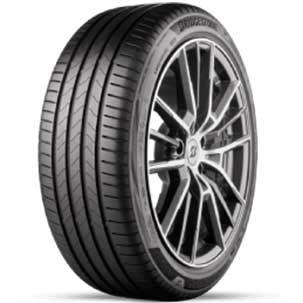
TURANZA 6 ENLITEN
Whether taking a corner on the motorway or needing to brake unexpectedly in the city, Bridgestone’s new Turanza 6 meets and exceeds expectations, even in wet conditions.
More Info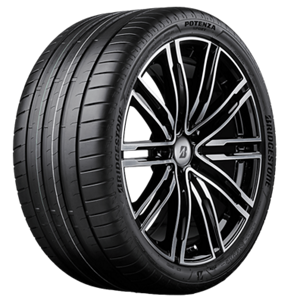
Potenza Sport
Potenza is Bridgestone’s dedicated range for the performance segment. Achieve maximum cornering stability, straight stability, and dry braking for the ultimate driving experience.
More Info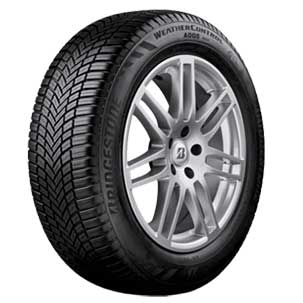
Weather Control
Weather Control is a premium all season tyre that combines summer and winter tyre features to help drivers keep going all year round with superior performance and comfort.
More Info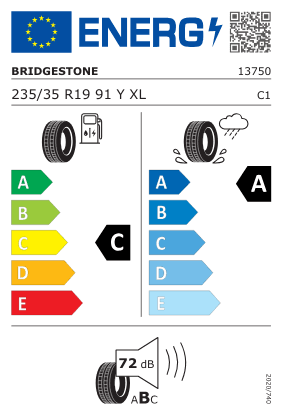
New EU Tyre Label (2021) – What Customers Should Look For
The label shows:
- Fuel efficiency (A–E)
- Wet grip (A–E)
- Noise rating (A–C + decibels)
Customer takeaway:
- A-rated wet grip = shortest stopping distance
- A-rated efficiency = best fuel/battery range
- Lower dB = quieter ride
Unsure of what Tyre is right for you?
Call 01582 764322 or Enter your contact information and and a member of our expert team will get back to you shortly with help: